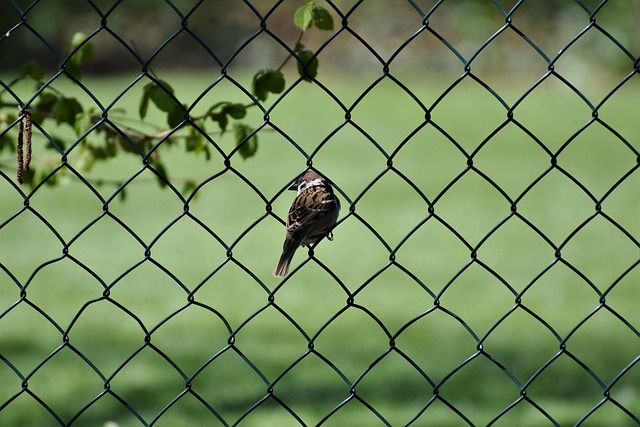
For New Bedford, Massachusetts homeowners looking to enhance their outdoor spaces, DIY fence installation offers both cost savings and creative control. This guide provides a comprehensive itinerary for tackling this project successfully, from planning your fence placement to finishing touches. We’ll outline the essential steps, including choosing weather-resistant materials suited to the region’s climate, accurately measuring and mapping your property lines, digging posts, assembling panels, and ensuring safety precautions during installation. With these DIY tips, you’ll be well on your way to transforming your yard into a secure, aesthetically pleasing oasis.
- Planning Your Fence Installation Project
- Choosing the Right Fence Material for New Bedford Climate
- Measuring and Mapping Your Property Line
- Digging Posts and Preparing Holes
- Assembling and Attaching Fences Panels
- Finishing Touches and Safety Considerations
Planning Your Fence Installation Project
Planning Your Fence Installation Project
Installing a fence is a significant DIY project that requires careful consideration to ensure a successful outcome. For New Bedford, Massachusetts homeowners, the process involves several key steps, from assessing your property and choosing the right fence type to obtaining permits and preparing the ground. This section offers expert tips to help guide you through each stage of planning, ensuring your fence installation project runs smoothly and meets your expectations.
Before diving into any construction, evaluate your property’s unique characteristics. Consider the layout, existing structures, and vegetation that might impact where and how your fence can be placed. For instance, if you have a steep slope, you may need to select a low-maintenance fence type or consider alternative solutions like a retaining wall. Similarly, dense tree lines could require planning around trees to avoid damage during installation. New Bedford’s climate also plays a role; choose materials resistant to local environmental conditions for long-term durability.
Obtaining necessary permits is a crucial step often overlooked by enthusiastic DIYers. Check with your local New Bedford authorities to understand any regulations or restrictions regarding fence construction. Permits ensure your project complies with building codes and safety standards, avoiding potential fines or delays later on. Additionally, be mindful of property lines; clear demarcations are essential to maintain good relations with neighbors. Using survey tools or consulting a professional can help you accurately determine these boundaries before starting any excavation.
Choosing the Right Fence Material for New Bedford Climate
When it comes to DIY fence installation in New Bedford, Massachusetts, choosing the right material is crucial. The climate here presents unique challenges with its cold winters and hot, humid summers. For a durable, long-lasting fence, opt for materials that can withstand these extreme temperatures.
Wooden fences are a popular choice but require regular maintenance to protect against rot and pest damage. However, treated pine or cedar woods are better suited for New Bedford’s climate as they’re more resistant to decay. Vinyl fences are another excellent option since they don’t expand or contract with temperature changes, ensuring a tight seal that prevents rot. Metal fences can also hold up well, but choose galvanized steel or aluminum to prevent rusting during our rainy winters.
Consider the fence’s function and aesthetics too. If privacy is your priority, opt for solid picket fences in durable materials. For a more decorative touch, consider wrought iron or chain link fences, which offer security without blocking the view. Research local building codes as well; some areas may have restrictions on certain fence types or heights to maintain community harmony and safety.
Measuring and Mapping Your Property Line
When installing a DIY fence in New Bedford, Massachusetts, accurately measuring and mapping your property line is the crucial first step. This process ensures your fence is both legally compliant and properly positioned to withstand Massachusetts’ often unpredictable weather conditions.
Start by obtaining official survey records or maps from your local assessor’s office for precise boundary lines. With these in hand, walk your desired fence route, marking the exact locations of each corner post using stakes and string. This hands-on approach allows you to visually confirm that your planned fence aligns perfectly with property lines and avoids any potential legal issues down the road.
Consider local regulations regarding setback requirements and permitted fence heights. New Bedford has specific guidelines about where fences can be placed relative to streets, alleys, and other properties. Check the city’s website or contact the planning department for detailed information relevant to your neighborhood. This step is vital not only for legal compliance but also to ensure your fence functions as a practical and aesthetically pleasing addition to your landscape.
Digging Posts and Preparing Holes
For New Bedford, Massachusetts homeowners looking to install a DIY fence, digging posts and preparing holes is a crucial step that requires careful planning and execution. This process forms the foundation for your fence’s durability and longevity, ensuring it withstands the region’s climate and local conditions. The first task is to identify the best locations for each post, typically at least 6-8 feet apart, depending on fence style and material. Use a string line and stakes to mark these spots accurately.
Next, you’ll need to dig holes for each post. It’s recommended to use an auger or power drill with a hole-digging attachment for efficiency, especially in areas with hard or compacted soil. The holes should be deep enough – approximately one-third to half the length of the post. For example, if your fence posts are 8 feet long, dig holes around 5-6 feet deep. This depth helps anchor the posts securely, preventing them from swaying or shifting over time.
Before setting the posts, prepare the holes by packing them with concrete mix. Ensure the concrete is compacted tightly to create a strong base. Leave space for rebar (if using) and allow the concrete to cure completely – usually 24-48 hours – before proceeding with the next steps. This step is vital as it strengthens the bond between post and soil, significantly improving your fence’s structural integrity.
Assembling and Attaching Fences Panels
Setting up a new fence is a big project, but with the right approach, it can be a rewarding DIY endeavor. For New Bedford homeowners looking to install a fence, assembling and attaching fence panels is a crucial step. Here’s what you need to know to do it right.
Start by carefully measuring the area where your fence will go, ensuring you have the correct number of panels. Different fence styles require varying panel sizes; make sure you get the right fit for your design. Once measured, mark the posts’ locations and dig holes deep enough to accommodate a third of each post’s length. Place the posts in the holes, using concrete to secure them firmly in place—this is key to your fence’s durability. Let the concrete set according to the manufacturer’s instructions.
With posts secured, attach the bottom rails to them using brackets. These rails serve as the foundation for your panels. Line up each panel with its designated rail and use the included hardware (usually screws or nails) to fasten it securely. Overlapping is common for a more robust connection, especially at corners. Repeat this process until all panels are installed, making sure each one aligns perfectly with the ones beside it for a neat, uniform look.
Finishing Touches and Safety Considerations
When finishing your New Bedford fence installation, paying attention to details and safety is key. Ensure a durable and secure fence by considering the type of finish you want – a protective coat of paint or sealant can shield your fence from the elements. Use high-quality materials to withstand local weather patterns; Massachusetts’ changing seasons demand resilience. Check local regulations for height restrictions and permit requirements before starting. Safety should never be overlooked: install a fence with adequate depth, especially around children’s play areas. Include a gate that locks securely, keeping both your property safe and accessible. Regular maintenance is vital; inspect your fence regularly for signs of wear and tear. Address issues promptly to prevent damage from becoming severe. Remember, proper installation and regular care will extend the life of your fence, providing you with years of protection and peace of mind.
About the Author
Meet Sarah Green, a renowned landscaping expert and certified DIY specialist. With over 15 years of experience, she has helped countless New Bedford homeowners transform their outdoor spaces. Sarah is the author of “The Ultimate Guide to DIY Fencing,” featured in leading home improvement publications. Active on LinkedIn and a regular contributor to Forbes, her expertise lies in sustainable and cost-effective fencing solutions tailored for the Massachusetts climate.
Related Resources
1. New Bedford City Code (Government Portal): [Offers detailed regulations and guidelines for home improvement projects in New Bedford, ensuring compliance.] – https://www.newbedfordma.gov/city-code
2. Massachusetts Department of Labor Standards (DLS) (Government Agency): [Provides insights into labor laws, including those related to construction and DIY projects, for Massachusetts residents.] – https://www.mass.gov/orgs/department-of-labor-standards
3. HomeAdvisor (Online Resource): [A comprehensive platform offering DIY guides, cost estimates, and expert advice for various home improvement tasks, including fence installation.] – https://www.homeadvisor.com/
4. The Family Handyman (Magazine & Online Community): [Features step-by-step instructions, project ideas, and tips from experienced DIYers, covering a wide range of topics, including fencing.] – https://www.familyhandyman.com/
5. Local New Bedford Garden Clubs (Community Organization): [These clubs often host workshops and events focused on landscaping and outdoor home improvement, offering practical knowledge specific to the region.] – Contact details can be found via the City of New Bedford’s website.
6. Massachusetts Homeowners Association (Statewide Organization): [Provides resources and support for homeowners across the state, including guidelines for legal and safety aspects of DIY projects.] – https://www.massahomeowners.org/
7. Local Hardware Stores (Business Directories): [Local stores can offer expert advice tailored to New Bedford’s climate and soil conditions, ensuring you make informed purchases for your fence installation project.] – Search for “Hardware Stores in New Bedford, MA” on a business directory website.