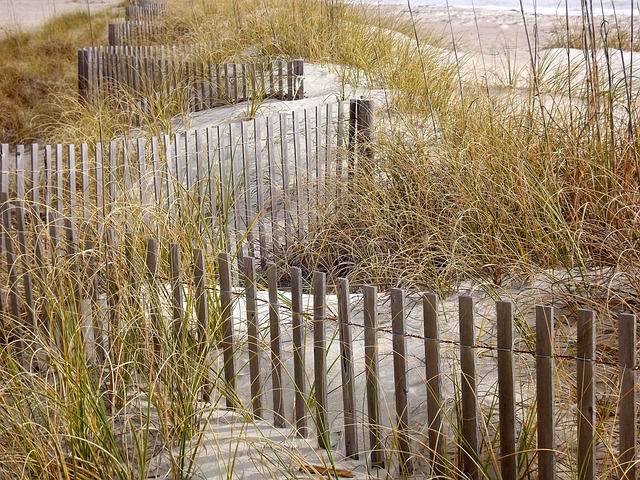
In New Bedford, MA, the conversation around sustainable living extends beyond the home’s walls to encompass our outdoor spaces. This article delves into the burgeoning field of eco-friendly fencing materials, offering a green solution for defining boundaries without compromising environmental integrity. Explore the spectrum of sustainable options, from the enduring resilience of recycled plastic lumber to the timeless charm of natural wood fencing. Discover the emerging potential of bamboo as an environmentally sound choice for fencing. Furthermore, we’ll navigate the installation and maintenance considerations that align with an eco-conscious ethos, ensuring your fence complements both your property and the planet. Join us as we explore how these materials not only fortify our properties but also contribute to a healthier environment in New Bedford, MA.
- Eco-Friendly Fencing Options for Sustainable Boundaries
- Benefits of Using Recycled Plastic Lumber in Fencing
- Advantages of Natural Wood Fencing for Environmental Impact
- The Role of Bamboo as a Green Fencing Alternative
- Installation and Maintenance Considerations for Eco-Conscious Fencing
Eco-Friendly Fencing Options for Sustainable Boundaries
When considering eco-friendly fencing options for sustainable boundaries in New Bedford, MA, it’s crucial to evaluate materials that offer both environmental benefits and longevity. Bamboo fencing stands out as a highly sustainable choice due to its rapid growth rate and natural resilience. It is a renewable resource that can be harvested without depleting the species, providing a durable alternative to traditional wood or composite materials. Another eco-conscious option is recycled plastic lumber, which is often crafted from high-density polyethylene (HDPE) milk jugs and other post-consumer plastics. This material not only diverts waste from landfills but also resists decay, pests, and requires no maintenance beyond occasional cleaning, making it a long-lasting solution that minimizes environmental impact. Additionally, composites made from wood fibers and recycled plastic offer a blend of natural aesthetics with synthetic durability, often requiring less treatment and offering the advantage of reduced environmental footprints compared to fully wood or fully synthetic options. Each of these materials contributes to the creation of sustainable boundaries that align with New Bedford’s commitment to preserving its unique ecological heritage and promoting green practices among residents.
Benefits of Using Recycled Plastic Lumber in Fencing
Recycled plastic lumber presents a sustainable and durable alternative to traditional wood fencing, offering numerous advantages for homeowners and environmental stewardship in New Bedford, MA. This eco-friendly material is crafted from high-density polyethylene (HDPE), which is derived from recycled plastics such as milk jugs, detergent bottles, and shopping bags. The use of recycled plastic lumber significantly reduces the demand for virgin materials and the associated environmental impacts like deforestation, thereby promoting conservation efforts.
In terms of longevity and maintenance, recycled plastic lumber stands out with its exceptional durability. It is resistant to rot, pests, and weather conditions, which means it does not require painting, staining, or sealing. This eliminates the need for harmful chemicals typically used in wood preservation, further reducing the environmental footprint. The material’s consistency also ensures a uniform appearance over time, without the splintering or warping that can occur with wood fencing. Its longevity is unparalleled, often lasting several decades without any loss of quality, making it a cost-effective solution over its lifetime when compared to wooden or other traditional fencing materials.
Advantages of Natural Wood Fencing for Environmental Impact
Natural wood fencing offers several environmental advantages that make it a sustainable choice for New Bedford, Massachusetts residents. Unlike many synthetic materials, wood is a renewable resource when sourced from well-managed forests that practice sustainable harvesting. This means that as trees are cut down for fencing, new ones are planted to replace them, ensuring the forest remains a carbon sink, absorbing CO2 from the atmosphere and helping to mitigate climate change. Wood’s natural insulation properties also contribute to its environmental benefits; it provides a barrier without the need for energy-intensive manufacturing processes that synthetic materials often require.
Moreover, wood fencing has a relatively low embodied energy compared to other fencing options. The embodied energy of a material refers to the total energy expended from the extraction of raw materials to the manufacturing and transportation of the finished product. Since wood can be locally sourced, the transportation footprint is minimized, further reducing its environmental impact. Additionally, wood fencing is biodegradable, meaning at the end of its lifecycle, it will decompose naturally, leaving behind no toxic residues as some synthetic materials do. This makes wood an eco-friendly and responsible choice for those in New Bedford looking to reduce their environmental footprint while still securing their properties.
The Role of Bamboo as a Green Fencing Alternative
Bamboo emerges as a highly sustainable alternative in the realm of fencing materials, offering substantial environmental advantages over traditional timber and synthetic options. As a fast-growing plant, bamboo reaches maturity at an impressive rate, making it a renewable resource that can be harvested without depleting its stocks. Its robustness and versatility allow it to serve as a durable fencing solution that withstands various climatic conditions, particularly in coastal areas like New Bedford, Massachusetts. Bamboo fencing not only contributes to carbon sequestration by absorbing CO2 at rates higher than many hardwood trees but also supports biodiversity, providing habitats for a myriad of species. The natural treatment-free durability of bamboo means that it requires less maintenance over its long lifespan, reducing the need for chemicals and energy typically associated with treated wood or plastic alternatives. This makes bamboo an eco-friendly option that aligns with the sustainability goals of communities seeking to minimize their environmental footprint while maintaining effective boundary demarcation.
Installation and Maintenance Considerations for Eco-Conscious Fencing
When considering the installation and maintenance of eco-friendly fencing materials in New Bedford, MA, it is crucial to select sustainable options that align with environmental values while also meeting practical needs. Eco-conscious fencing often includes materials such as bamboo, recycled plastic, and untreated natural wood, each offering unique benefits. Bamboo, for instance, is a rapidly renewable resource that can be harvested without killing the plant, making it a low-impact option for those looking to minimize their ecological footprint. Recycled plastic fencing, on the other hand, provides durability with minimal environmental impact, as it repurposes materials that would otherwise contribute to landfill waste.
Installation practices should prioritize soil and water conservation. This can be achieved by minimizing excavation work, using biodegradable barriers to prevent weed growth, and ensuring proper drainage around the fencing to prevent runoff. Maintenance considerations for eco-friendly fences involve regular inspections to catch any issues early, which can reduce the need for repairs or replacement. For wood fences, treatments should be eco-friendly, such as natural oils or linseed oil, to protect the wood without introducing toxic chemicals into the environment. Regular cleaning with environmentally safe cleaners and occasional repair of any damaged sections will help maintain the longevity and appearance of the fence. By adhering to these installation and maintenance practices, New Bedford residents can enjoy fencing solutions that contribute positively to environmental sustainability.