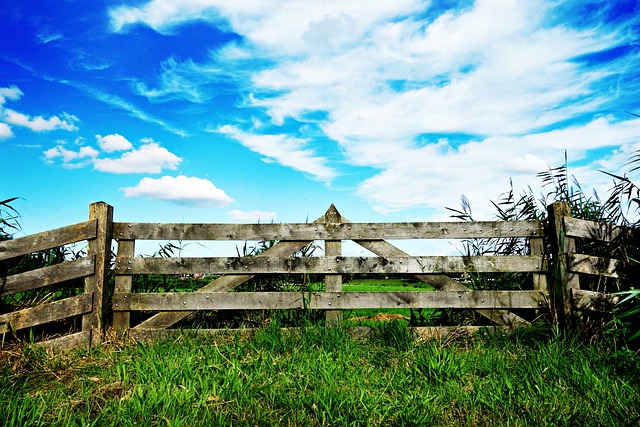
In New Bedford, a well-maintained fence is not just about aesthetic appeal; it provides security, privacy, and property value. However, fences often face common issues like rot, damage from weather, or poor initial installation. This article guides you through the intricacies of New Bedford fence repair and installation. We explore choosing robust materials that withstand local conditions, a step-by-step installation process, effective repair techniques for various fence types, and essential maintenance tips to ensure your fence’s longevity.
- Understanding Common Fence Issues in New Bedford
- Choosing the Right Materials for Durability
- Installation Process: Step-by-Step Guide
- Repair Techniques for Different Fence Types
- Maintenance Tips to Extend Your Fence's Lifespan
Understanding Common Fence Issues in New Bedford
Fences in New Bedford, like anywhere else, face a range of issues due to various environmental factors and everyday wear and tear. One of the most common problems is rot, particularly in wooden fences. Moist, humid weather conditions make New Bedford susceptible to wood decay, which can weaken fence structures. Another prevalent issue is damage from storms and high winds that can topple or bend fence posts and panels.
Additionally, neglect or improper installation can lead to misaligned fences, sagging gates, and uneven heights, creating safety hazards and unsightly appearances. Weeds and roots often find their way into cracks, further compromising the integrity of the fence. Understanding these common problems is essential in New Bedford, as it enables homeowners and property managers to schedule regular maintenance or promptly address issues to prolong the lifespan of their fences.
Choosing the Right Materials for Durability
When it comes to fence repair and installation, selecting the appropriate materials is a key factor in ensuring longevity and durability. The right materials can withstand harsh weather conditions, prevent damage from pests or rust, and maintain their aesthetic appeal over time. Steel and vinyl are popular choices for fences due to their strength and low maintenance requirements.
For steel fences, opt for high-quality, corrosion-resistant galvanised or stainless steel. These options offer exceptional strength and can last for decades with proper care. Vinyl fencing is another durable option known for its flexibility, impact resistance, and ability to resist fading and cracking. When choosing materials, consider local climate conditions, desired aesthetic, and long-term maintenance expectations to make an informed decision.
Installation Process: Step-by-Step Guide
The installation process for a new fence begins with measuring and marking the perimeter of your desired fence line. This step is crucial to ensure the fence’s accuracy and alignment. Once marked, dig holes at strategic locations along the fence line to accommodate the posts. The depth of these holes should be appropriate for supporting the fence’s weight.
Next, place the wooden posts in the holes, ensuring they are straight and level. Fill the spaces around the posts with concrete, providing a sturdy base. Allow the concrete to set completely. After the concrete has cured, attach the horizontal rails to the posts using nails or screws. Finally, attach the fence panels to the rails, securing them with brackets or nails, depending on the panel type and your preference.
Repair Techniques for Different Fence Types
When it comes to fence repair and installation, New Bedford professionals employ diverse techniques tailored to various fence types. For wooden fences, commonly found in many residential areas, the approach often involves replacing rotted or damaged boards while ensuring proper treatment to prevent future deterioration. Metal fences require a different set of skills; experts may weld or replace sections that have become weakened or bent over time.
Fences constructed from vinyl or composite materials demand a more meticulous repair strategy. These surfaces are typically repaired by replacing individual panels or sections, often with specialized tools and adhesives designed for the specific material. The versatility of these techniques allows New Bedford fence specialists to cater to a wide range of residential and commercial projects, ensuring that each fence is restored to its best structural and aesthetic condition.
Maintenance Tips to Extend Your Fence's Lifespan
Regular cleaning and maintenance are essential to extend your fence’s lifespan. Keep it free from debris, leaves, and other elements that can cause damage over time. Use a soft brush or cloth to wipe down the fence surface periodically, removing any dirt or grime buildup. Applying a fresh coat of paint or sealant every few years can also protect it from weather conditions and prolong its life significantly.
Additionally, inspect your fence for any signs of wear or weakness, such as loose posts or damaged boards, and address these issues promptly. Regular checks during different seasons will help you identify potential problems early on. Simple repairs like tightening hardware, replacing broken components, and sealing gaps can keep your fence in excellent condition for many years to come.